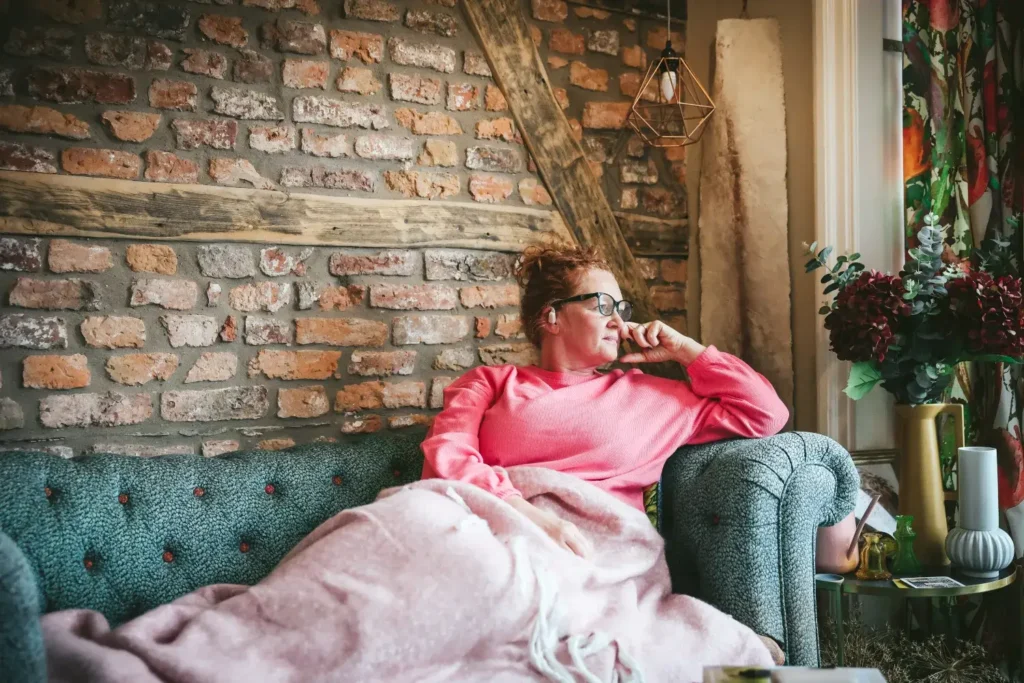
And what happens instead)
Over the years people have often asked me why I don’t work in a studio.
Studios are controlled. Predictable. Technically perfect (I’m none of those things!).
You can adjust the light exactly, control the background, eliminate the weather, and remove anything unexpected.
On paper, it sounds ideal.
But for the kind of work I do, studios often remove the very thing that makes a photograph meaningful.
Real life.
The moment someone walks into a studio, something changes.
There are lights.
Backdrops.
Equipment everywhere.
The camera is pointed directly at you.
And suddenly people feel like they have to perform.
They start thinking about their posture.
Where their hands should go.
How they should smile.
What the photographer wants them to do.
Instead of being themselves, they start trying to be photographed.
And that question always sits in my mind:
How do you act “normal” in a studio?
Because it isn’t a natural environment.
It’s a stage.
The Problem with Studio Portraits
Most studio portraits tell you two things:
• What someone looked like that day
• What they were told to do by the photographer
“Turn your shoulders slightly.”
“Chin down.”
“Look over here.”
“Smile a bit more.”
The result might be polished.
It might even be flattering.
But often it doesn’t actually say anything about the person.
It doesn’t show where they work.
It doesn’t show what matters to them.
It doesn’t show how they move through the world.
It becomes a photograph of appearance, not presence.
Real Environments Change Everything
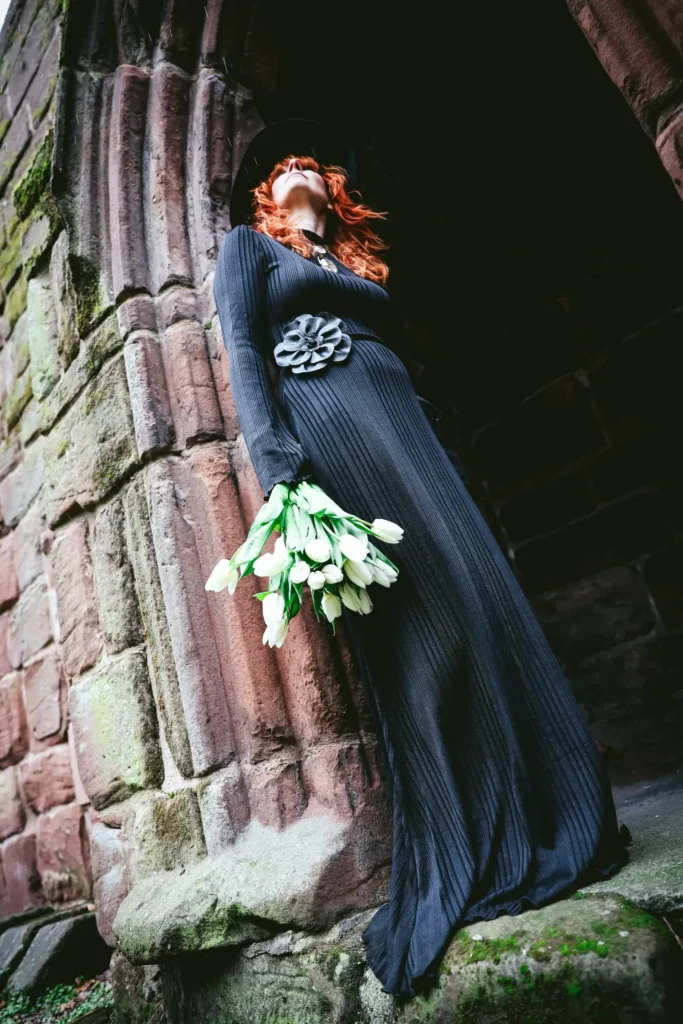
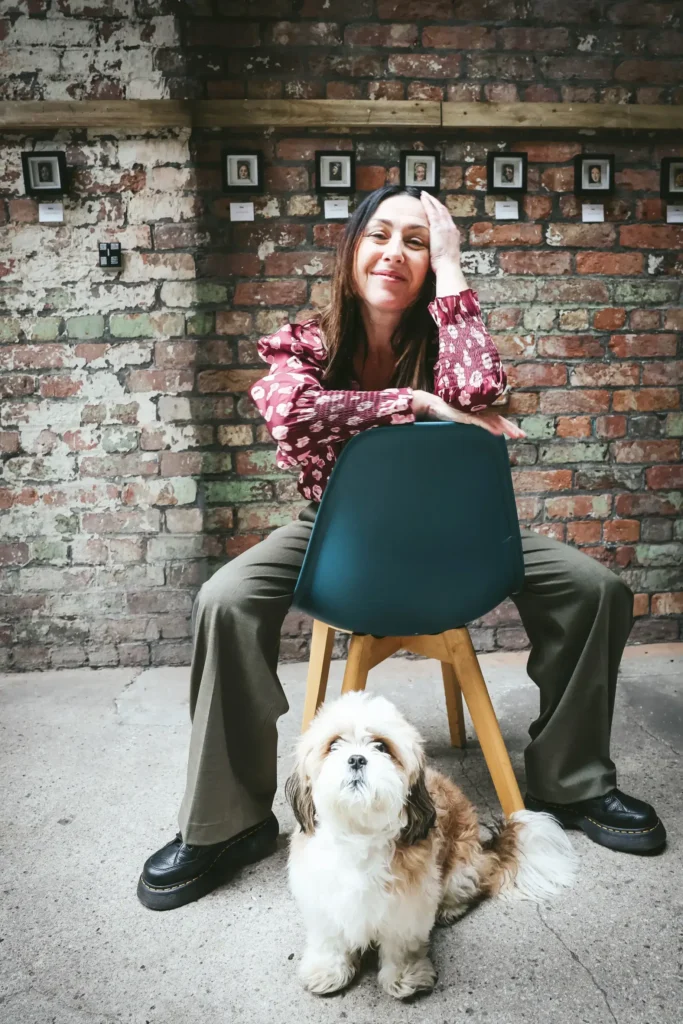
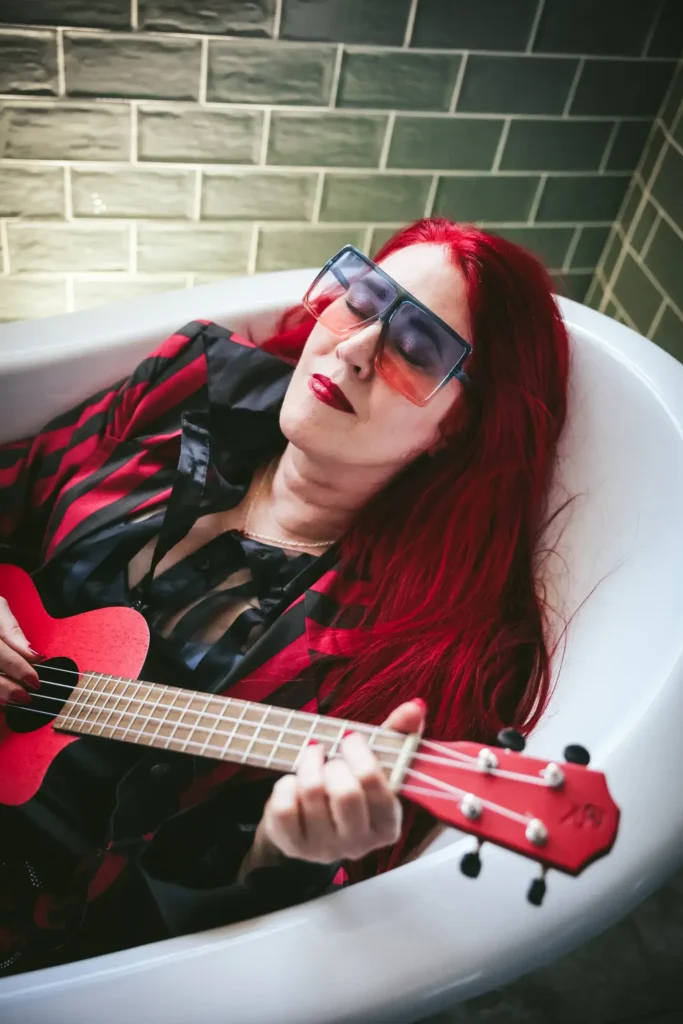
When we work in real places, something different happens.
A studio is designed for photography.
But real environments are designed for living.
Your workspace.
A quiet stretch of land.
A retreat setting.
A coastal path.
A room where you meet clients.
A place that already holds your energy.
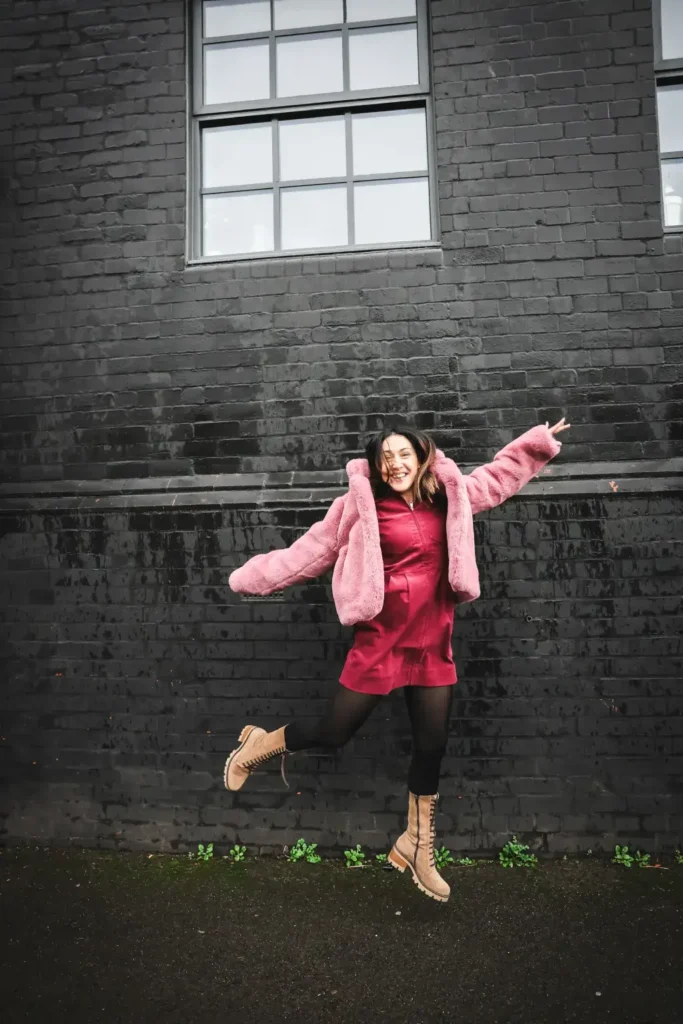
When you’re in a space that feels familiar or meaningful, your body relaxes.
Your shoulders soften.
Your expression changes.
Your movement becomes natural again.
You stop performing.
And that’s when the real images begin to appear.
Photography That Creates a Shift
For me, photography isn’t just about documenting someone.
It’s about revealing something they may not have fully seen in themselves yet.
Many of the people I photograph are building businesses, leading communities, holding space for others, or stepping into new levels of visibility.
But often they haven’t quite seen their own authority reflected back to them.
That’s where the real power of photography can happen.
When someone sees an image of themselves and pauses.
When they say,
“Is that really me?”
Because suddenly they see themselves more clearly.
More grounded.
More confident.
More present.
The photograph becomes more than a record.
It becomes a mirror.
Not Just What You Looked Like
A studio portrait might show what you looked like on a particular day.
But the kind of work I do aims for something deeper.
Images that show:
• how you inhabit your work
• the environments that shape your life
• the energy you bring to what you do
• the quiet authority you carry
Because when those elements are present, the photograph stops being just a picture.
It becomes part of your story.
And sometimes, when people see that story reflected back to them, something subtle but powerful happens.
They begin to see themselves differently.
And once that shift happens, it’s very hard to go back to performing for the camera ever again.